
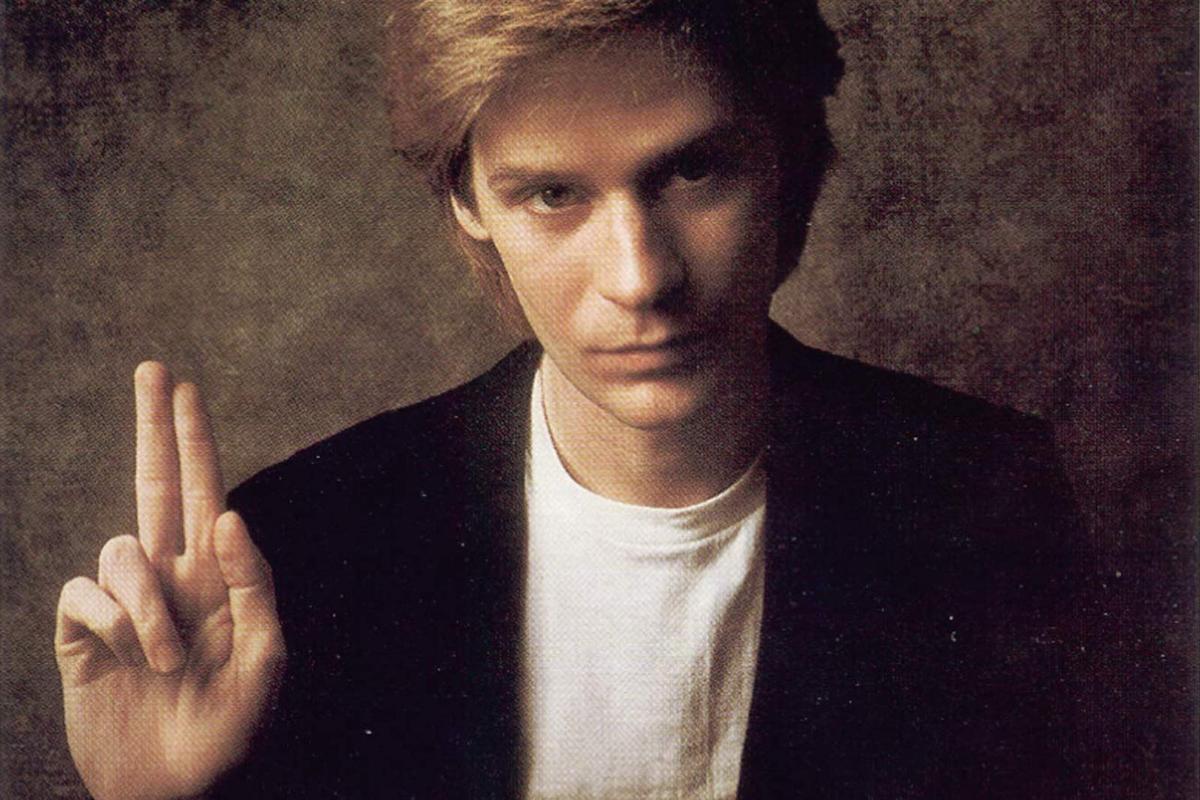
Robert Fripp heard something in Daryl Hall that was more interesting, and far more complex, than Hall and Oates were releasing in the ’70s. Hall’s
Category: History
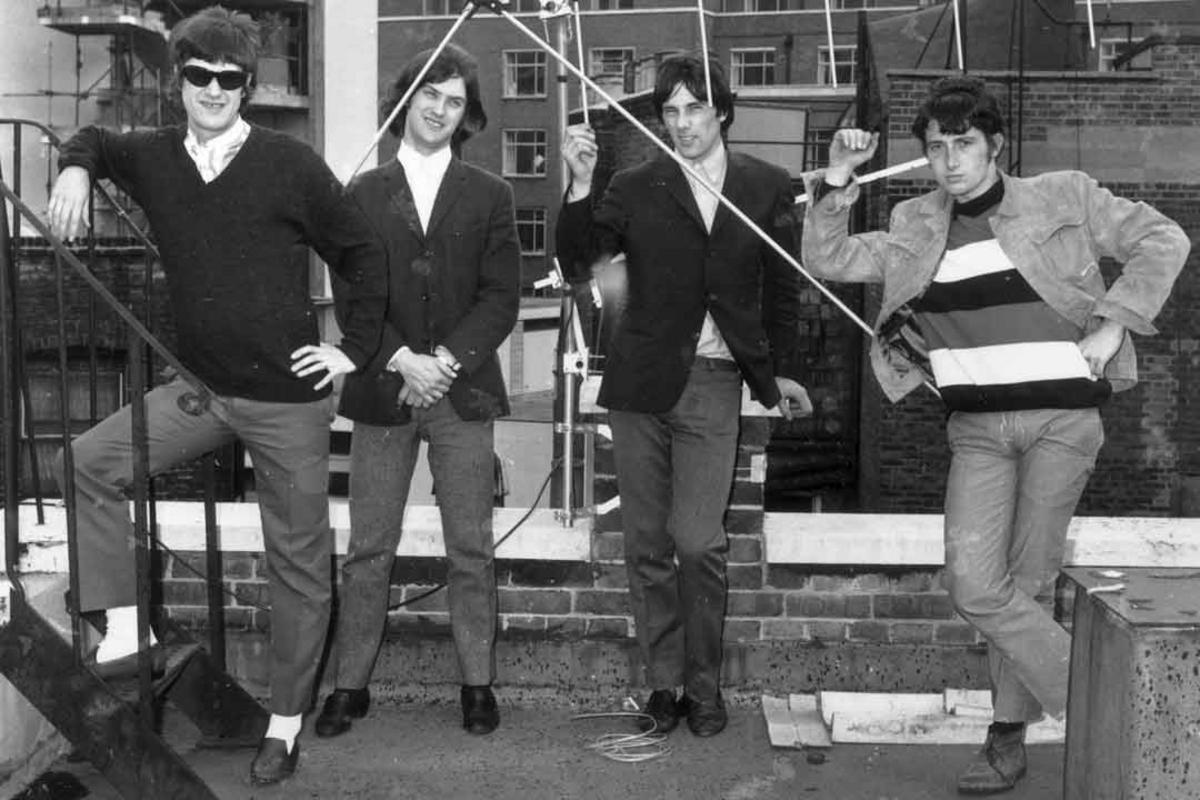
It’s important to remember that things moved much faster in the music biz back in the ’60s. Even with modern artists writing, recording and posting
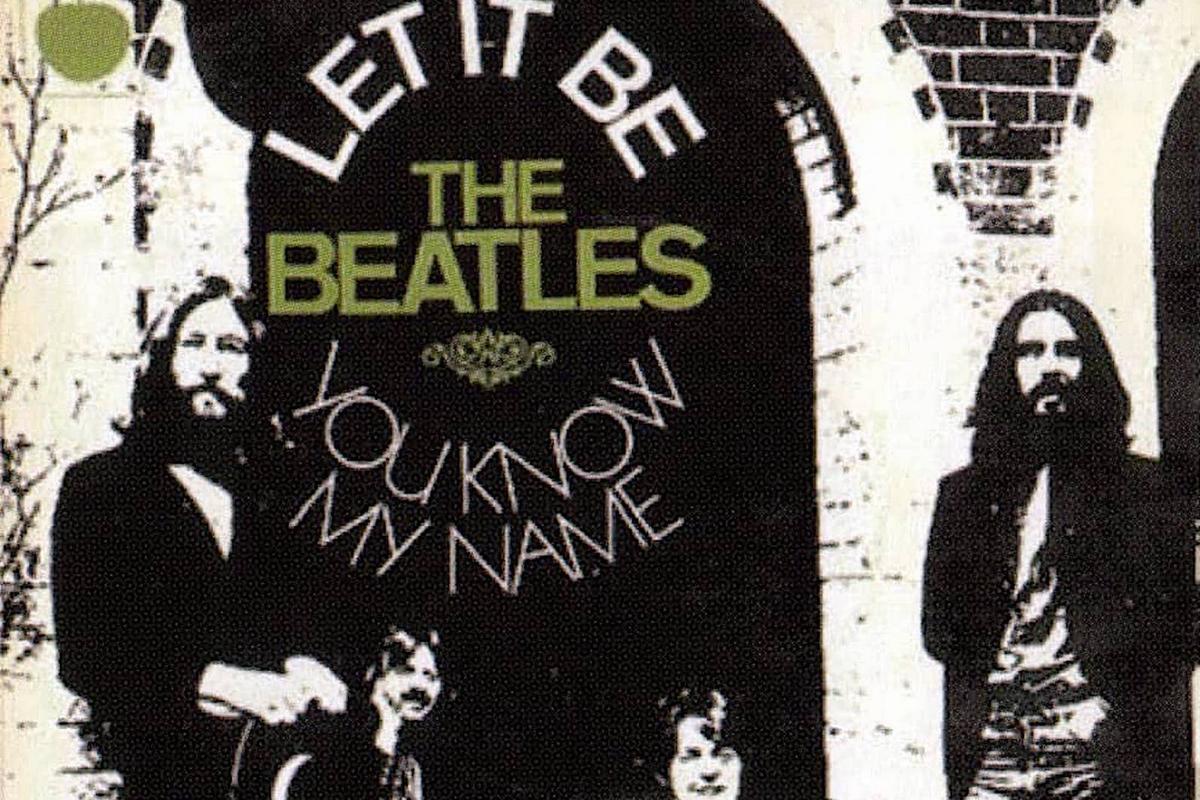
The Beatles didn’t seem capable of letting one of their final singles be. They recorded multiple versions of “Let It Be” in late January 1969
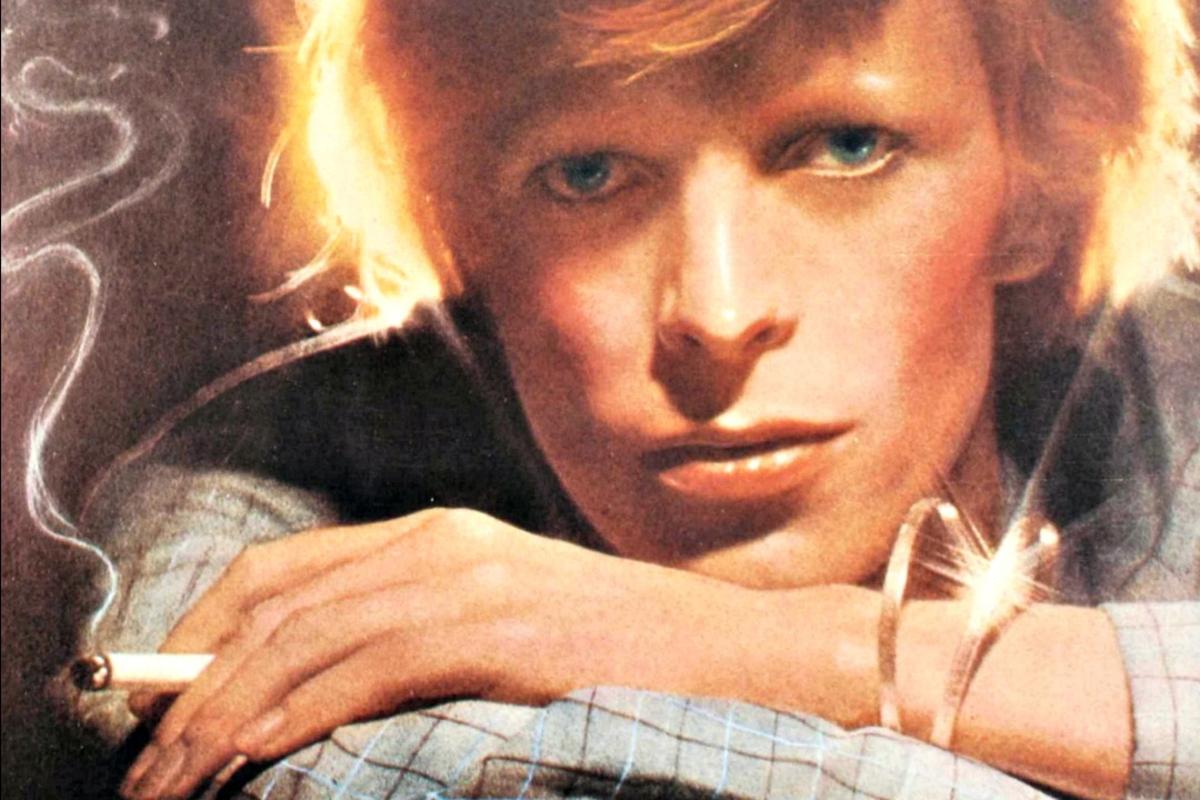
Diamond Dogs arrived after David Bowie retired his Ziggy Stardust persona, but the 1974 album still bore some of the hallmarks of the same multi-platinum
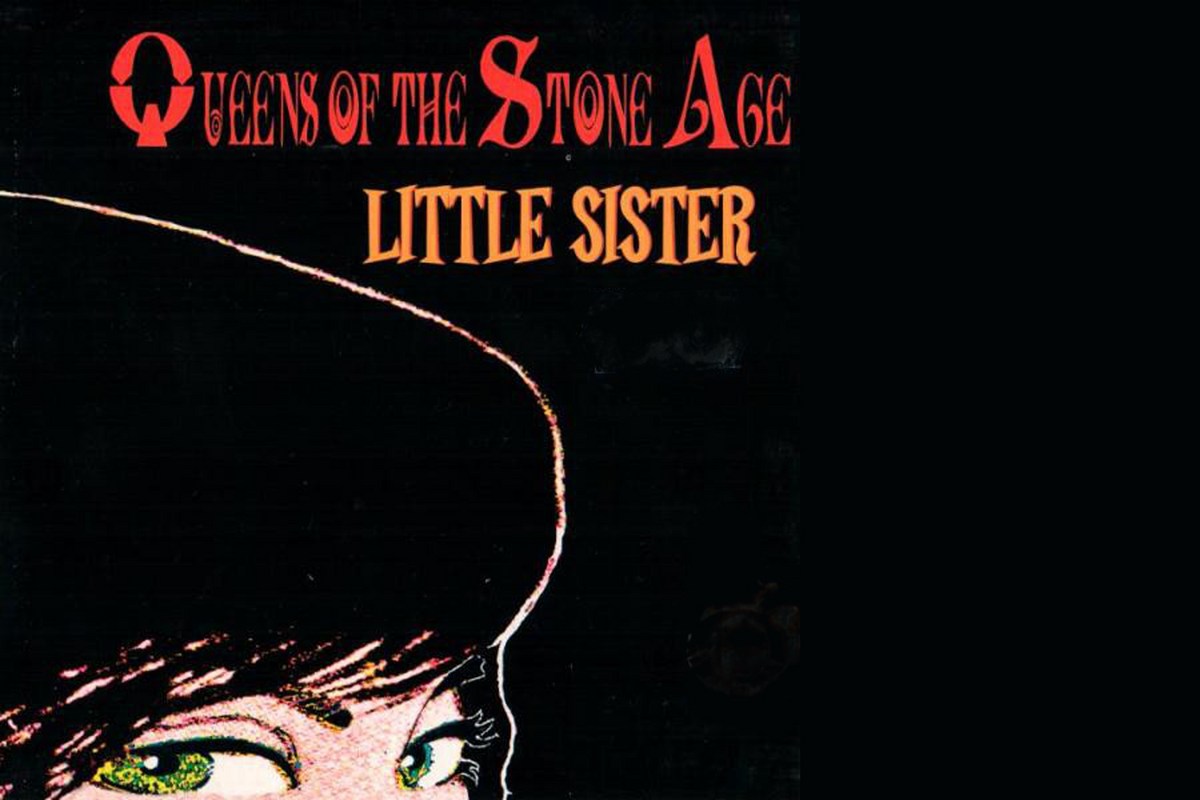
Hearing it now, it feels like a minor miracle of mid-’00s rock, a deceptively fleet-footed and brisk odyssey through the innuendo of a typically provocative
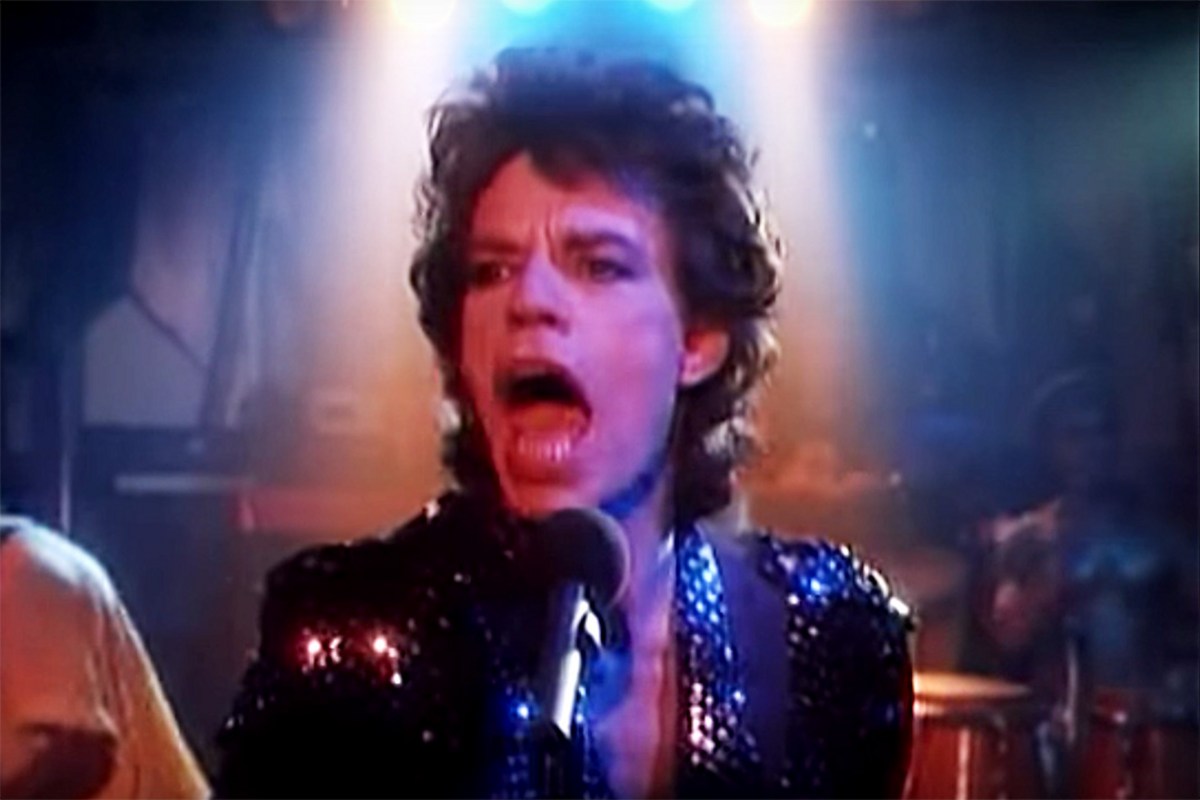
Mick Jagger could be forgiven for feeling that he’d got some satisfaction as the lead single from his first solo album reached the Top 20
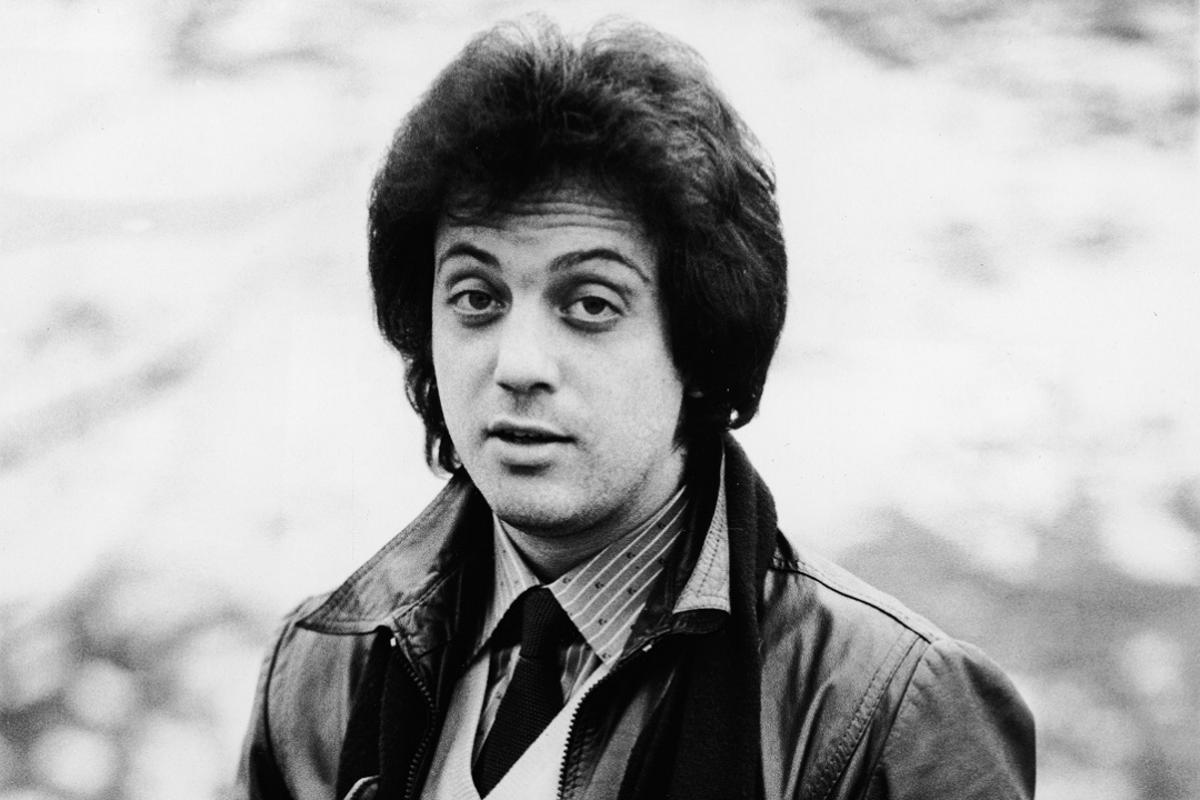
Billy Joel closed out the ’70s with two of the bestselling albums of the decade in The Stranger and 52nd Street. But instead of getting complacent
Often overlooked and generally derided, Eric Clapton’s Behind the Sun tends to challenge your expectations today – and even your memory. No, Clapton wasn’t sent hurtling toward
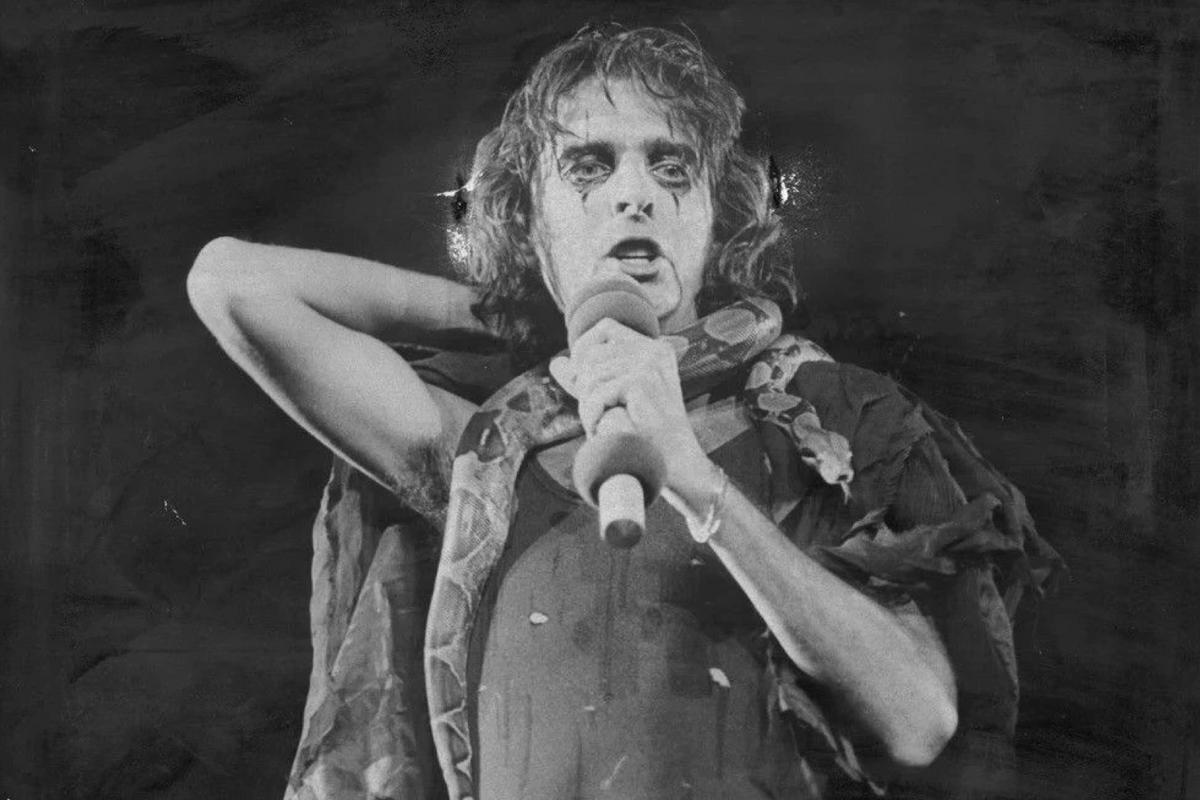
Alice Cooper welcomed fans to his nightmare on March 11, 1975, while bidding farewell to his band with his first solo album. Not that the
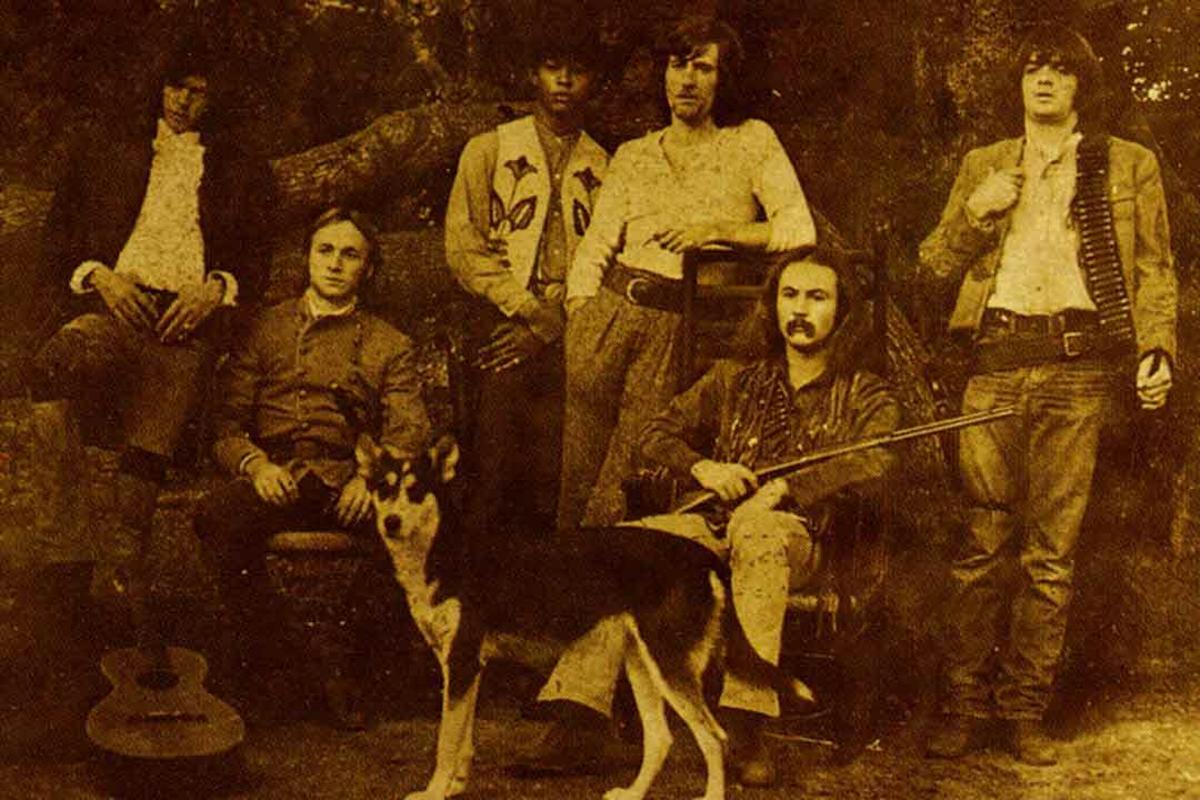
The addition of Neil Young to the Crosby, Stills & Nash supergroup in 1969 created great expectations for the band’s second album, Déjà Vu. The follow-up didn’t